 Spot Startups
10 Best AI Detector Tools in 2026 (Compared, Ranked, and Reviewed)
Artificial intelligence has transformed how content is created. From blog posts and marketing copy to reports and academic writing, AI tools can now generate high-quality text in seconds.
As AI-generated content becomes more common, businesses, publishers, educators, and content teams are increasingly turning to AI detectors to help determine whether a piece of text was written by a human, an AI model, or a combination of both.
The challenge is that not all AI detectors are created equal. Some focus on educational use cases, while others are designed for publishers, agencies, and enterprise content workflows.
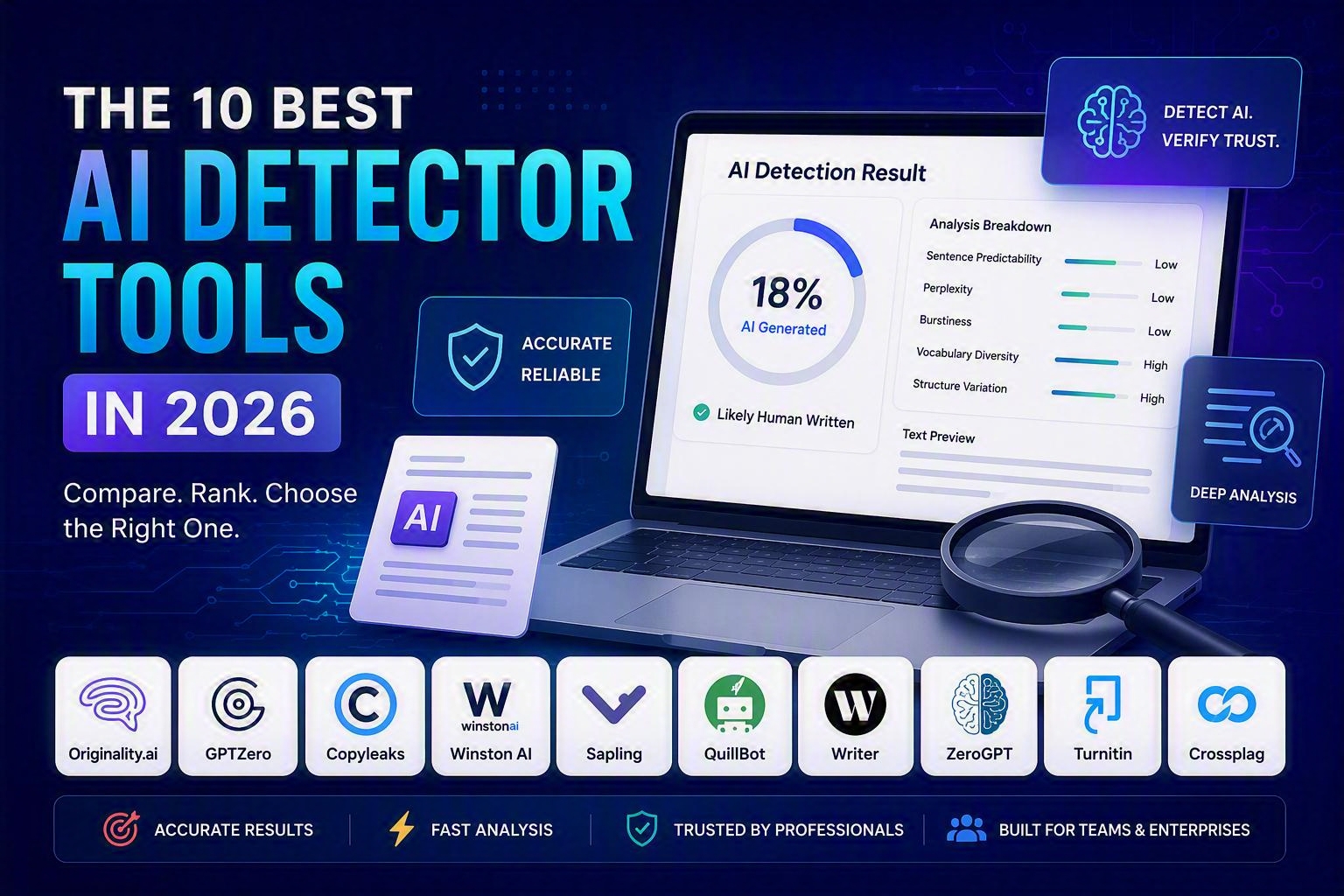
In this guide, we compare the best AI detector tools available in 2026, highlighting their key features, pricing considerations, strengths, and ideal use cases.
How We Evaluated These AI Detectors
To create this list, we reviewed publicly available information, product capabilities, industry adoption, user feedback, pricing models, integrations, and overall market reputation.
Our goal is not to determine which tool claims the highest accuracy, but rather to identify the solutions that provide the most value for different users and organizations.
It's also important to remember that no AI detector can guarantee perfect results. Detector scores should be viewed as indicators rather than definitive proof of authorship.
Quick Comparison Table
| Tool | Best For | Free Plan | API | Overall Rating |
|---|---|---|---|---|
| Originality.ai | Publishers & SEO Teams | No | Yes | ⭐⭐⭐⭐⭐ |
| GPTZero | Education & Students | Yes | Yes | ⭐⭐⭐⭐⭐ |
| Copyleaks | Enterprises | Yes | Yes | ⭐⭐⭐⭐⭐ |
| Winston AI | Agencies | Limited | Yes | ⭐⭐⭐⭐ |
| Sapling AI Detector | Business Content | Yes | Yes | ⭐⭐⭐⭐ |
| QuillBot AI Detector | Casual Users | Yes | No | ⭐⭐⭐⭐ |
| Writer AI Detector | Marketing Teams | Yes | Limited | ⭐⭐⭐⭐ |
| ZeroGPT | Quick Checks | Yes | Limited | ⭐⭐⭐ |
| Turnitin | Universities | No | Institutional | ⭐⭐⭐⭐⭐ |
| Smodin.io | Content Verification | Yes | Yes | ⭐⭐⭐ |
1. Originality.ai (Best Overall AI Detector)
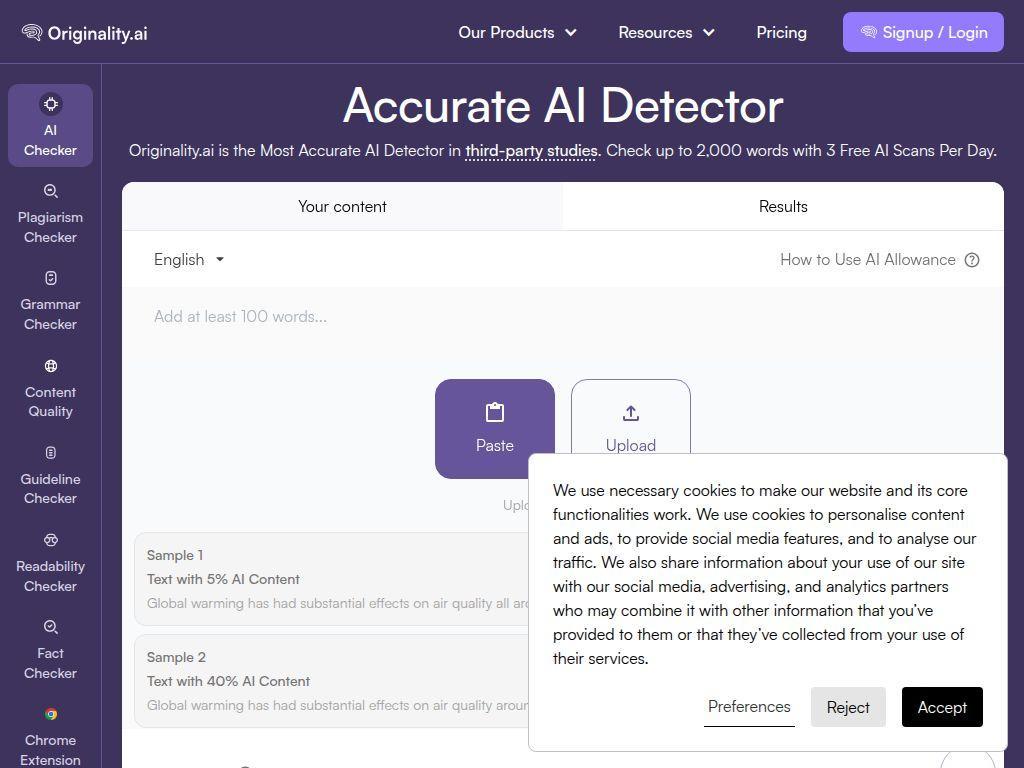
Originality.ai has become one of the leading choices for publishers, content agencies, and SEO teams. It combines AI detection with plagiarism checking, making it particularly useful for organizations that publish content at scale.
The platform is designed around professional content workflows and includes team collaboration features, detailed reporting, and API access.
Pros
- AI detection and plagiarism checking in one platform
- Built for professional publishing teams
- Team management capabilities
- Detailed reporting
- API access available
Cons
- No permanent free plan
- Can become expensive for high-volume usage
Best For
- Publishers
- SEO agencies
- Content marketplaces
- Editorial teams
2. GPTZero (Best Free AI Detector)
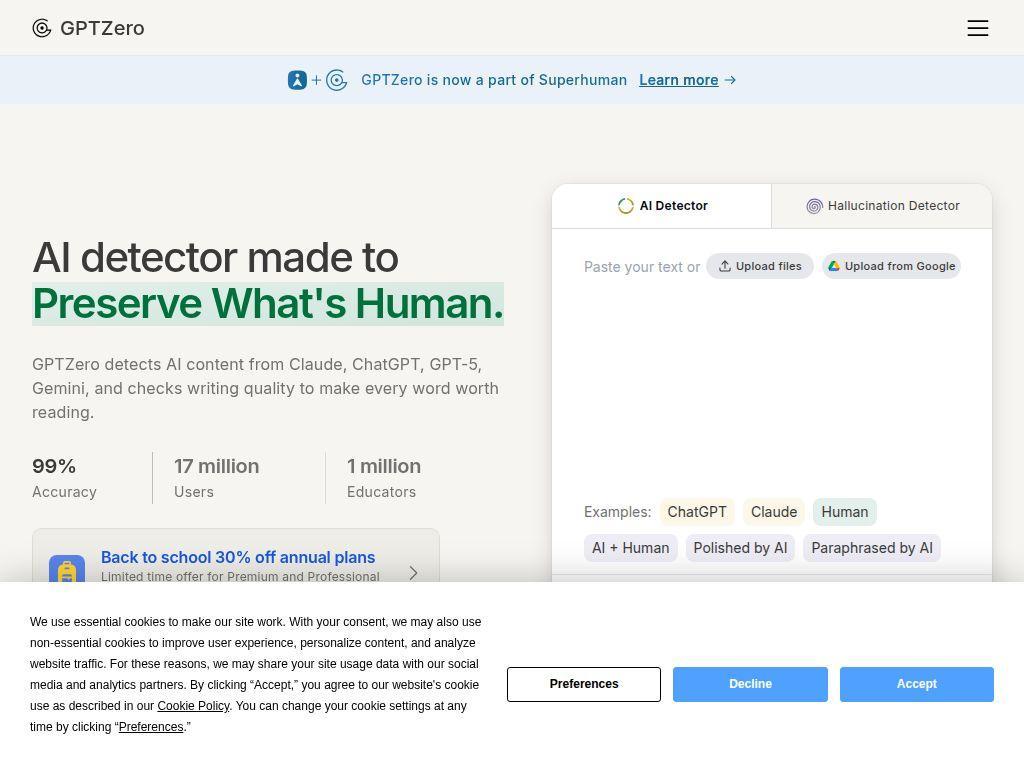
GPTZero is one of the most recognized names in AI detection. Originally developed with educators in mind, it has expanded into a broader platform used by teachers, students, writers, and businesses.
Its free tier and easy-to-use interface make it one of the most accessible AI detectors available today.
Pros
- Free plan available
- Simple user experience
- Sentence-level analysis
- Suitable for occasional users
Cons
- Less focused on enterprise workflows
- Accuracy can vary depending on content type
Best For
- Teachers
- Students
- Freelancers
- Small teams
3. Copyleaks (Best for Enterprises)
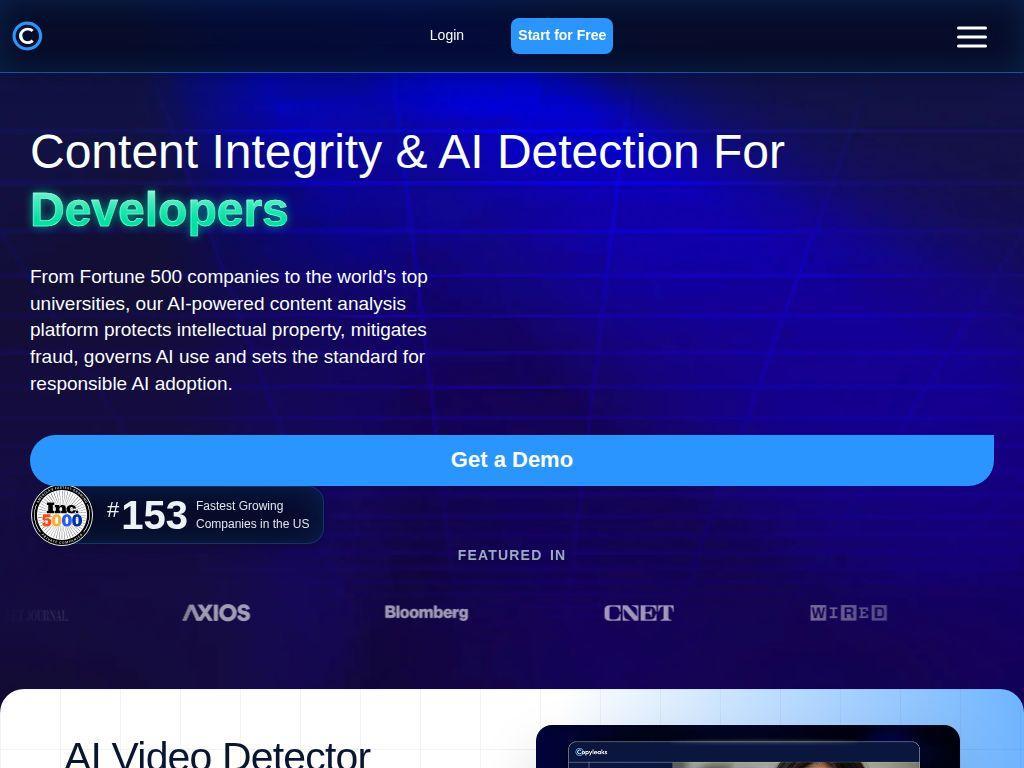
Copyleaks focuses on enterprise-grade detection capabilities and multilingual support. It offers integrations that make it attractive to larger organizations, educational institutions, and compliance-focused businesses.
The platform is known for supporting a wide range of content review workflows.
Pros
- Enterprise-ready solution
- Strong API capabilities
- Multilingual support
- Educational integrations
Cons
- Higher learning curve
- Advanced features may require premium plans
Best For
- Enterprises
- Compliance teams
- Educational organizations
4. Winston AI (Best for Agencies)
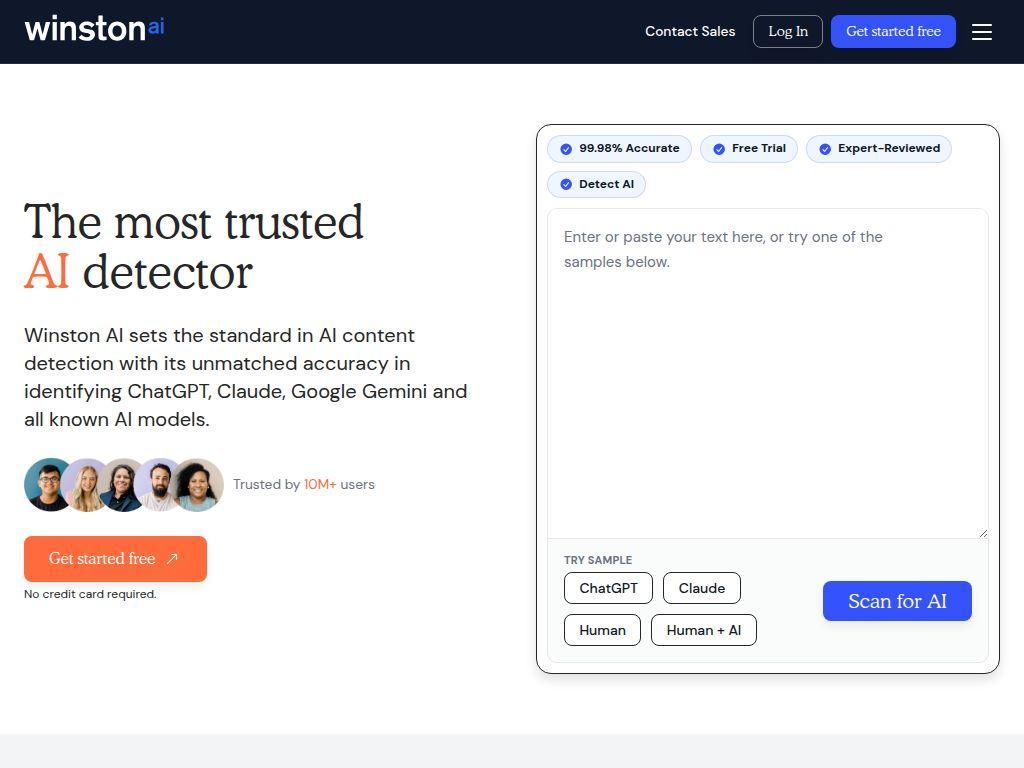
Winston AI has established itself as a popular option among marketing agencies and content review teams.
Its dashboard is intuitive, and the platform includes useful features such as OCR support, allowing users to scan text from documents and images.
Pros
- Clean interface
- OCR functionality
- Team collaboration features
- Suitable for agency workflows
Cons
- Smaller free allowance
- Fewer enterprise integrations
Best For
- Agencies
- Marketing consultants
- Content reviewers
5. Sapling AI Detector ( Best for Business Communication )
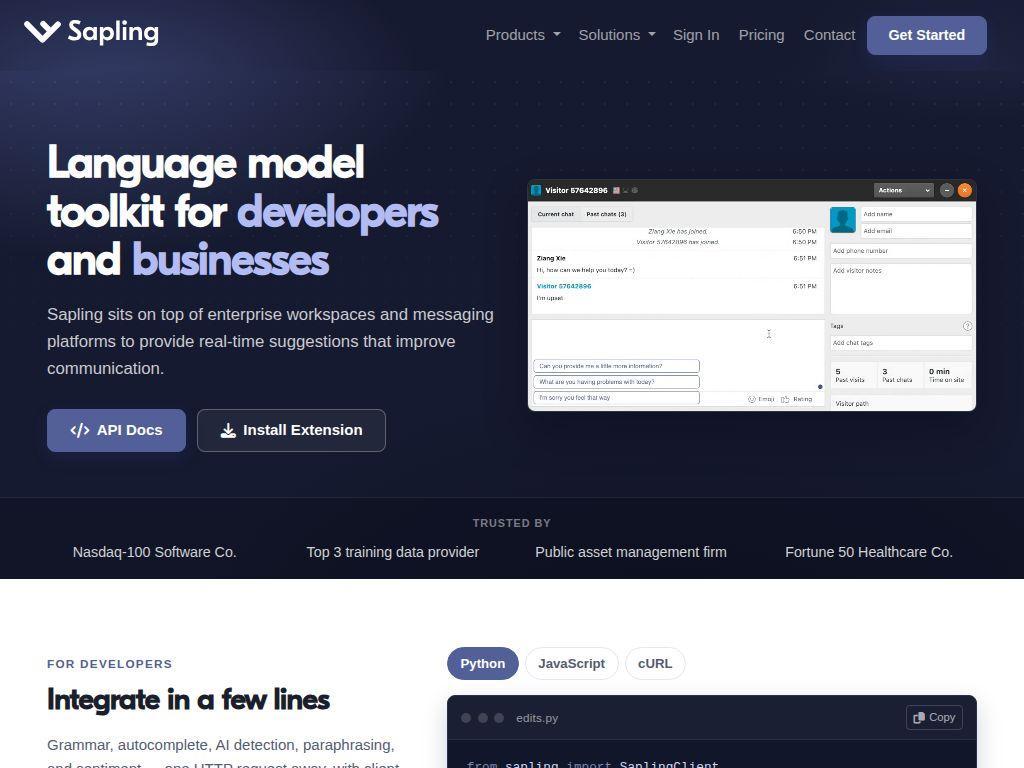
Sapling is primarily known for its AI-powered writing tools, but its detector has become a useful option for organizations that want quick content verification within business workflows.
Pros
- Easy to use
- Business-focused tools
- API integration
Cons
- Not as feature-rich as dedicated enterprise competitors
Best For
- Customer support teams
- Operations teams
- Internal communications
6. QuillBot AI Detector (Best for Casual Users)
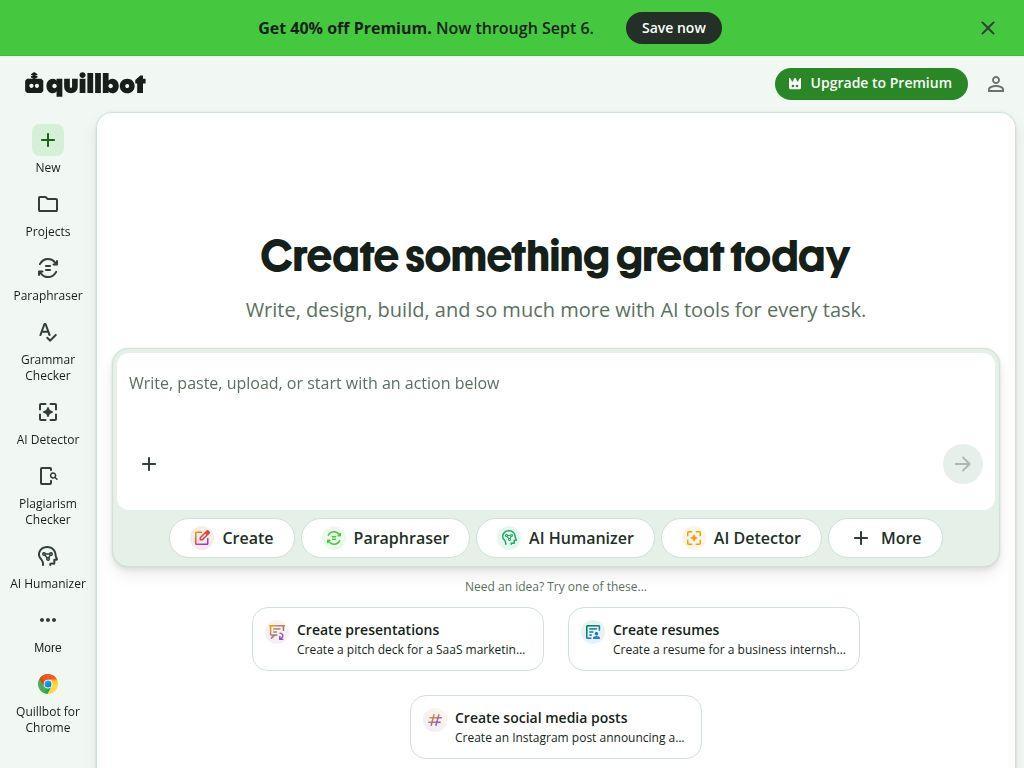
QuillBot's AI Detector offers a simple and accessible way to analyze text. Users who occasionally need to check content often appreciate its clean interface and free availability.
Pros
- Free to use
- Fast analysis
- Beginner-friendly
Cons
- Limited advanced features
- No enterprise workflow tools
Best For
- Bloggers
- Students
- Individual creators
7. Writer AI Detector ( Best for Marketing Teams )

Writer has built a strong reputation in enterprise content operations. Its detector integrates naturally into broader content governance and brand management workflows.
Organizations already using Writer's platform may find it convenient to keep AI detection within the same environment.
Pros
- Fits into content governance workflows
- Enterprise-focused
- Brand consistency features
Cons
- Best value comes when using the broader Writer ecosystem
Best For
- Marketing departments
- Brand teams
- Enterprise organizations
8. ZeroGPT ( Best for Quick Content Checks )
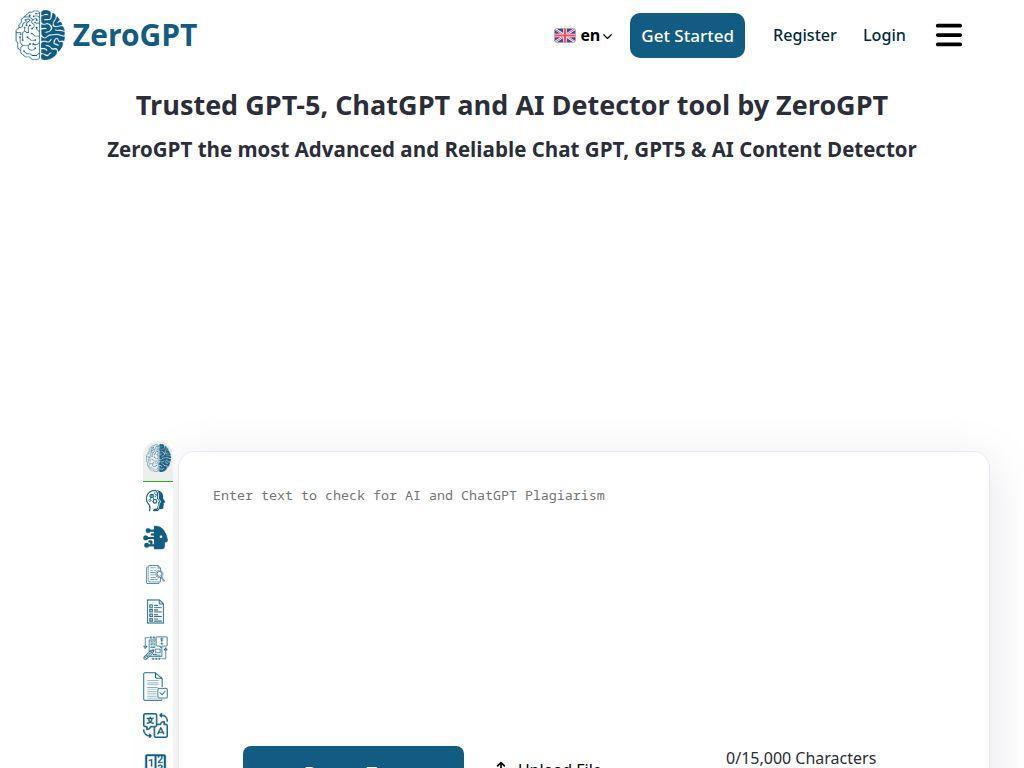
ZeroGPT remains a widely used option thanks to its accessibility and free usage model.
While it may not offer the advanced reporting capabilities of premium competitors, it provides a quick way to evaluate content.
Pros
- Easy to access
- Free usage options
- Fast results
Cons
- Fewer advanced features
- Limited team functionality
Best For
- Students
- Freelancers
- Individual users
9. Turnitin AI Detection ( Best for Academic Integrity )
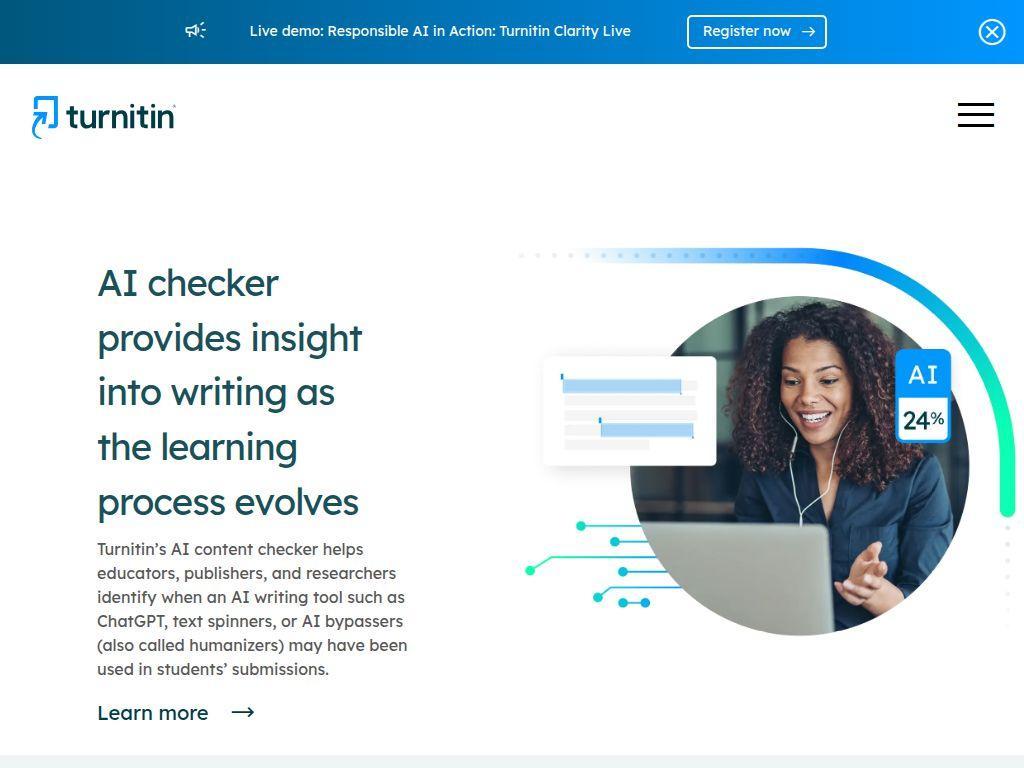
Turnitin is already a trusted name in plagiarism detection, and its AI detection capabilities have become increasingly important for schools and universities.
Because AI detection is integrated directly into the broader Turnitin ecosystem, institutions can review originality and AI-related concerns within a single workflow.
Pros
- Trusted by educational institutions
- Detailed reporting
- Academic-focused workflow
Cons
- Typically unavailable to individual users
- Institutional licensing required
Best For
- Universities
- Schools
- Academic institutions
10. Smodin ( Best for Content Verification )
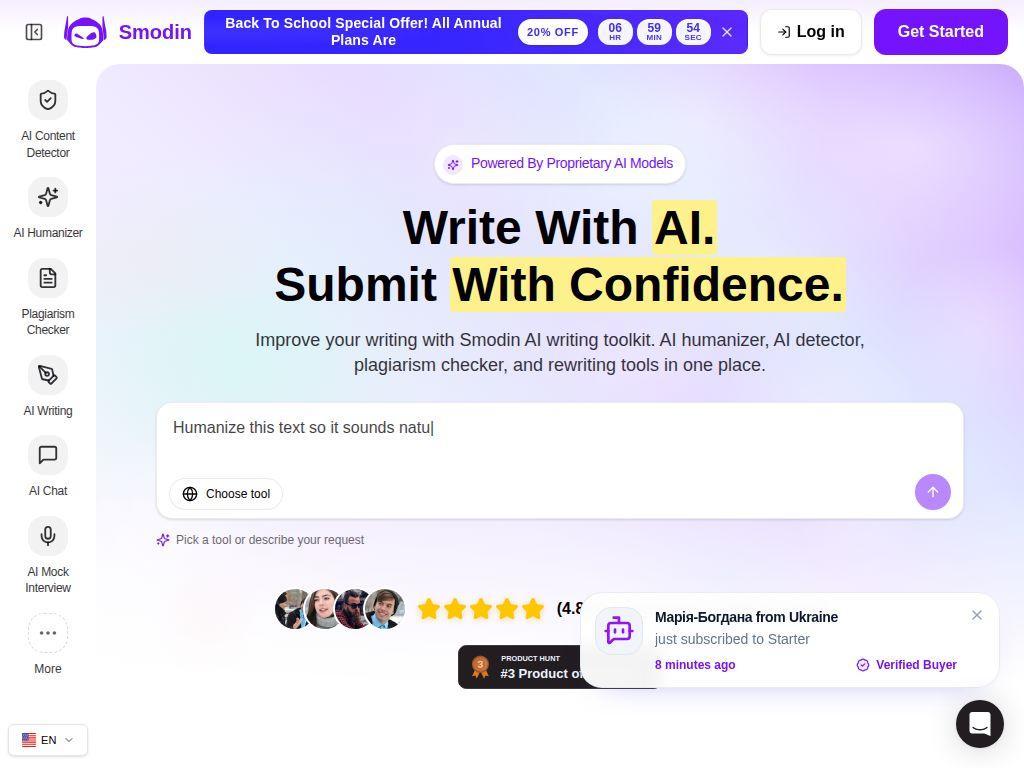
Smodin is an all-in-one AI writing suite, bundling AI detection, humanizing, plagiarism checking, and writing tools under one login.
The platform is built around speed and convenience, offering fast scans, 100+ language support, and API access.
Pros
- AI detector, humanizer, and plagiarism checker in one platform
- Fast scans, wide language support
- Free quick-scan, no signup required
- API access and Chrome extension available
Cons
- No independent benchmark data to verify accuracy claims
- Bundling a humanizer with a detector raises conflict-of-interest concerns
- Less established in academic/institutional settings
Best For
- Students
- Freelance writers & bloggers
- Small content/marketing teams
Emerging AI Detection Tools to Watch
The AI detection market is evolving rapidly, and new players continue to enter the space.
Some of the most interesting companies to watch include:
Pangram Labs
A research-focused company working on AI-generated text detection and benchmarking.
Hive
Known for content moderation and expanding AI detection capabilities across multiple content types.
AI or Not
Focused on content authenticity and helping organizations determine whether content has been generated by AI.
The Biggest Limitation of AI Detectors
Here's the reality: no AI detector is perfect.
Modern AI models continue to improve, producing writing that increasingly resembles human-created content. At the same time, users frequently edit, rewrite, or expand AI-generated drafts before publishing them.
As a result, even highly regarded detectors can sometimes:
- Miss AI-generated content
- Flag human-written content incorrectly
- Produce different results on the same text
False positives remain one of the industry's biggest challenges, particularly when evaluating technical writing, formal writing, or content written by non-native English speakers.
For that reason, AI detection tools should never be used as the sole basis for important business, educational, or hiring decisions.
How to Choose the Right AI Detector
Before selecting a platform, consider the following:
- Do you need API access?
- Will multiple team members use the tool?
- Do you need plagiarism detection as well?
- Is multilingual support important?
- Are you reviewing content occasionally or at scale?
- Do you need integrations with existing workflows?
The answers to these questions will often matter more than small differences in detection scores.
Final Verdict
The AI detection industry is growing rapidly, but there is still no universal solution that works perfectly in every situation.
For publishers, content teams, and SEO professionals, Originality.ai remains one of the strongest all-around options thanks to its publishing-focused features and combined plagiarism checking.
For users seeking a free solution, GPTZero continues to be one of the most accessible and widely adopted choices.
Organizations with enterprise requirements should consider Copyleaks, while educational institutions will likely find Turnitin the most natural fit.
Ultimately, the best AI detector is the one that fits your workflow. The smartest approach is to use AI detection as part of a broader review process that combines technology, human judgment, and editorial oversight.